
 English
 Spanish
 French
 German
 Italian
 Chinese (Simplified)
 Japanese
 Korean
 Arabic
 Portuguese


 Send Inquiry
Single Limb (Well Type) Manometer (Glass-Acrylic)
Price 1800.0 INR/ Piece
MOQ : 1 Piece
Single Limb (Well Type) Manometer (Glass-Acrylic) Specification
- Usage
- Industrial
- Material
- Metal
- Size
- Standard
- Color
- White
- Display Type
- Analog Only
Single Limb (Well Type) Manometer (Glass-Acrylic) Trade Information
- Minimum Order Quantity
- 1 Piece
- FOB Port
- Mundra
- Payment Terms
- Cash Advance (CA), Cheque
- Supply Ability
- 50 Pieces, Piece Per Month
- Delivery Time
- 1 Week
- Sample Available
- No
- Sample Policy
- Contact us for information regarding our sample policy
- Packaging Details
- Wooden Pallet Packing
- Main Export Market(s)
- Middle East, Africa, Asia, Australia, Central America, North America, South America, Eastern Europe, Western Europe
- Main Domestic Market
- All India, Gujarat
- Certifications
- ISO Certified Company
About Single Limb (Well Type) Manometer (Glass-Acrylic)
A single-limb well-type manometer made of acrylic glass is the best type of pressure measurement device which can capably measure the fluid pressure in a provided closed system. Supplied manometer is included with a single vertical tube. User can choose glass or acrylic material based on the compatibility as well as application of the material with the fluid being measured. Single-limb well-type manometer allows for simple observation of the liquid level. It can withstand a wide array of fluids, making it appropriate for several applications.
Single Limb (Well Type) Manometer Features:
- Both corrosive and non-corrosive flow systems can use it.
- It is appropriate for systems with high pressure and temperature because to its strong design.
- It was created utilizing components of the highest caliber.
FAQ - Single Limb (Well Type) Manometer (Glass-Acrylic):
Can a Single Limb (Well Type) Manometer (Glass-Acrylic) be used with corrosive fluids?
No, the glass-acrylic Single Limb (Well Type) Manometer is not suited for use with corrosive fluids.
Can the Single Limb (Well Type) Manometer (Glass-Acrylic) be utilized in high-pressure applications?
High-pressure applications are typically not suggested for the Single Limb (Well Type) Manometer with a glass-acrylic structure. The glass-acrylic material may have pressure resistance limitations, and prolonged exposure to high pressures may cause damage or failure of the manometer.
FAQs of Single Limb (Well Type) Manometer (Glass-Acrylic):
Q: What is the Single Limb (Well Type) Manometer (Glass-Acrylic) used for?
A: The manometer is used to measure the pressure of liquids and gases in a single limb in an industrial setting.Q: What is the display type of the manometer?
A: The manometer features an analog-only display.Q: What is the color of the manometer?
A: The manometer comes in a white color.Q: What is the material used to make the manometer?
A: The manometer is made of durable metal.Q: Is the manometer transparent?
A: Yes, the manometer is made of glass-acrylic material, making it transparent and easy to read pressure measurements.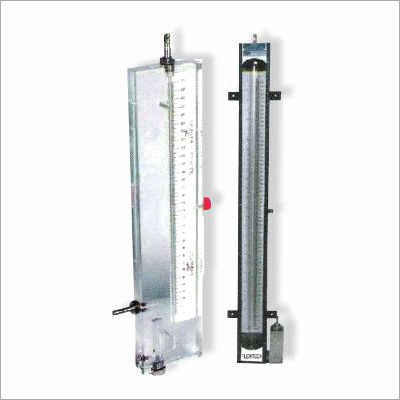
Tell us about your requirement

Price:
Quantity
Select Unit
- 50
- 100
- 200
- 250
- 500
- 1000+
Additional detail
Mobile number
Email

More Products in Manometer Category
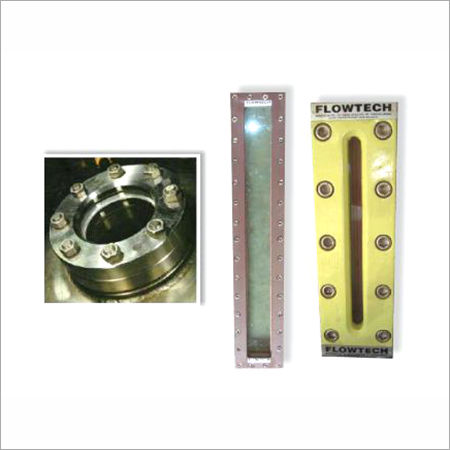
Tank Mounted View Glass
Price 28000.0 INR / Piece
Minimum Order Quantity : 10 Pieces, Piece
Usage : Industrial
Display Type : Analog Only
Material : Stainless Steel
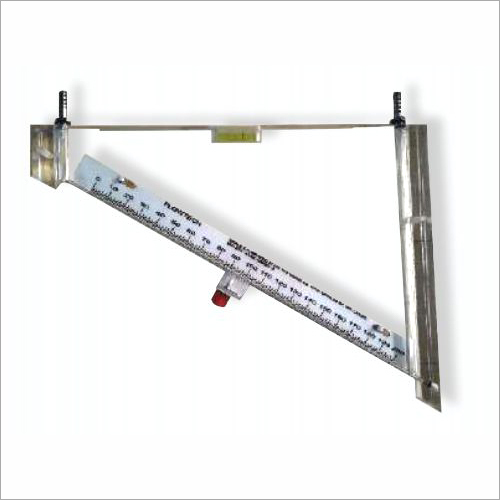
Inclined Manometer
Price Range 1000.00 - 5000.00 INR / Piece
Minimum Order Quantity : 50 Pieces
Usage : Liquid and Water
Display Type : Analog Only
Material : Aluminium & Acrylic
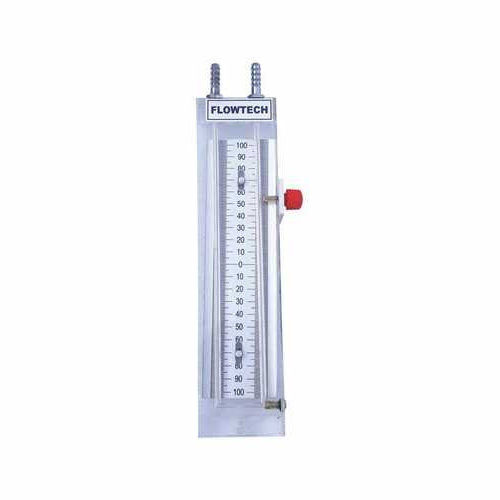
U Tube Manometer
Price 900 INR / Piece
Minimum Order Quantity : 1 , , Piece
Usage : Liquid and Gases
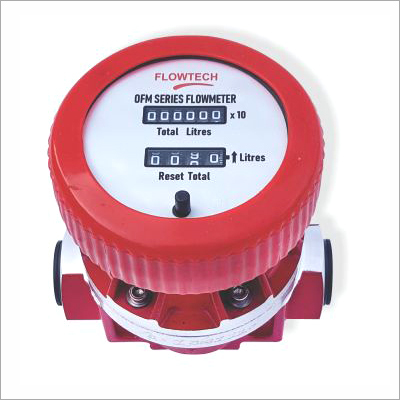
Fuel Meter (Imported)
Price Range 10800.00 - 21600.00 INR / Piece
Minimum Order Quantity : 10 Pieces
Usage : It is used for monitoring the airfuel ratio of an internal combustion engine.
Display Type : Digital Only
Material : Steel

Contact Details
FLOWTECH MEASURING INSTRUMENTS PVT. LTD.
GST : 24AABCF8314J1ZQ
GST : 24AABCF8314J1ZQ
- 900/2/B, GIDC Estate, Makarpura,Vadodara - 390010, Gujarat, India
- Phone :07971191026
- Send Inquiry
 Send Inquiry
- Mr Nilesh Shah (Managing Director)
- Mobile :07971191026

 Send Inquiry
 Send SMS
 Call Me Free
Quick Enquiry Form
 |
FLOWTECH MEASURING INSTRUMENTS PVT. LTD.
All Rights Reserved.(Terms of Use) Developed and Managed by Infocom Network Private Limited. |
